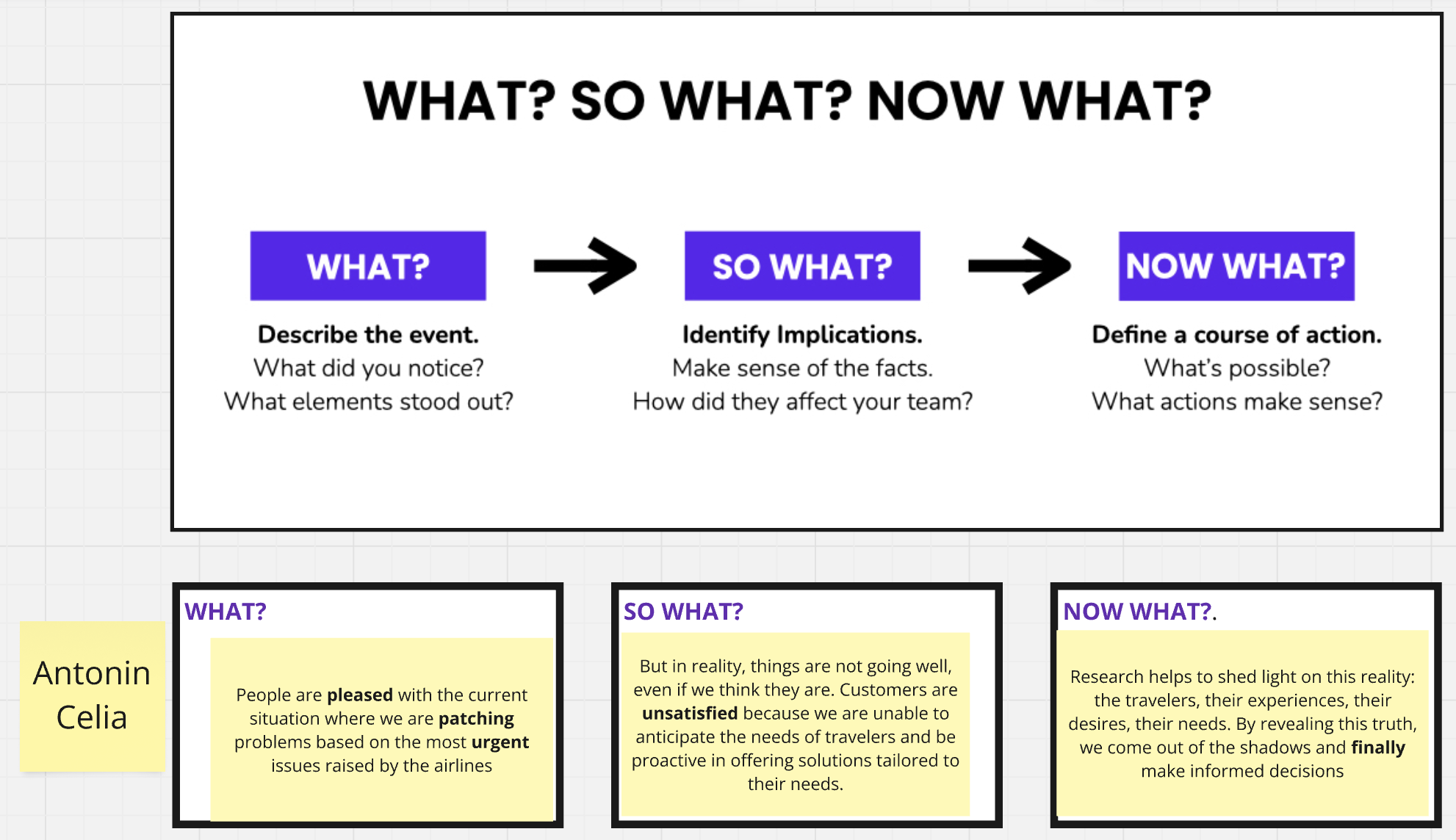
-
Les histoires sont 20x plus faciles à se rappeler que des informations
-
As you speak, tell what’s going on live (for example, instead of silently searching for your notes, say “I’m looking for my notes”…) so that audience can relate
-
Accidental problems like calling someone “What is written there?” Is a good way to release tension in the audience and make them laugh and catch attention.
-
Having a mini-icebreaker is good in a pitch, like making people raise hand if they know something. It should always be related to the presentation itself. Otherwise no ice-breaker
-
Start a better conversation: ask people “What’s going on today?” And build your conversation based on their problems, their vocabulary…
-
Say “First, (message)“, “Then, (message)” with the connector word a little louder, so that people follow the articulation of your speech
-
When brainstorming, Start from where you are, not where you want to be - link first order of thinking
-
Don’t be too conscious of yourself
-
Don’t sabotage yourself with words. Take the habit of watching what you’re saying
Good icebreakers :
- Icebreaker in group is super important : make a circle saying your name + a sign, then do the sign and name of the people before you, and finally add your own
- Icebreaker 2 : present yourself, and present your favorite movie with emojis only, that others will have to guess
Les étapes pour convaincre avec le UX Storytelling
1. Understand your main protagonists
-
Put your stakeholders in this matrix :
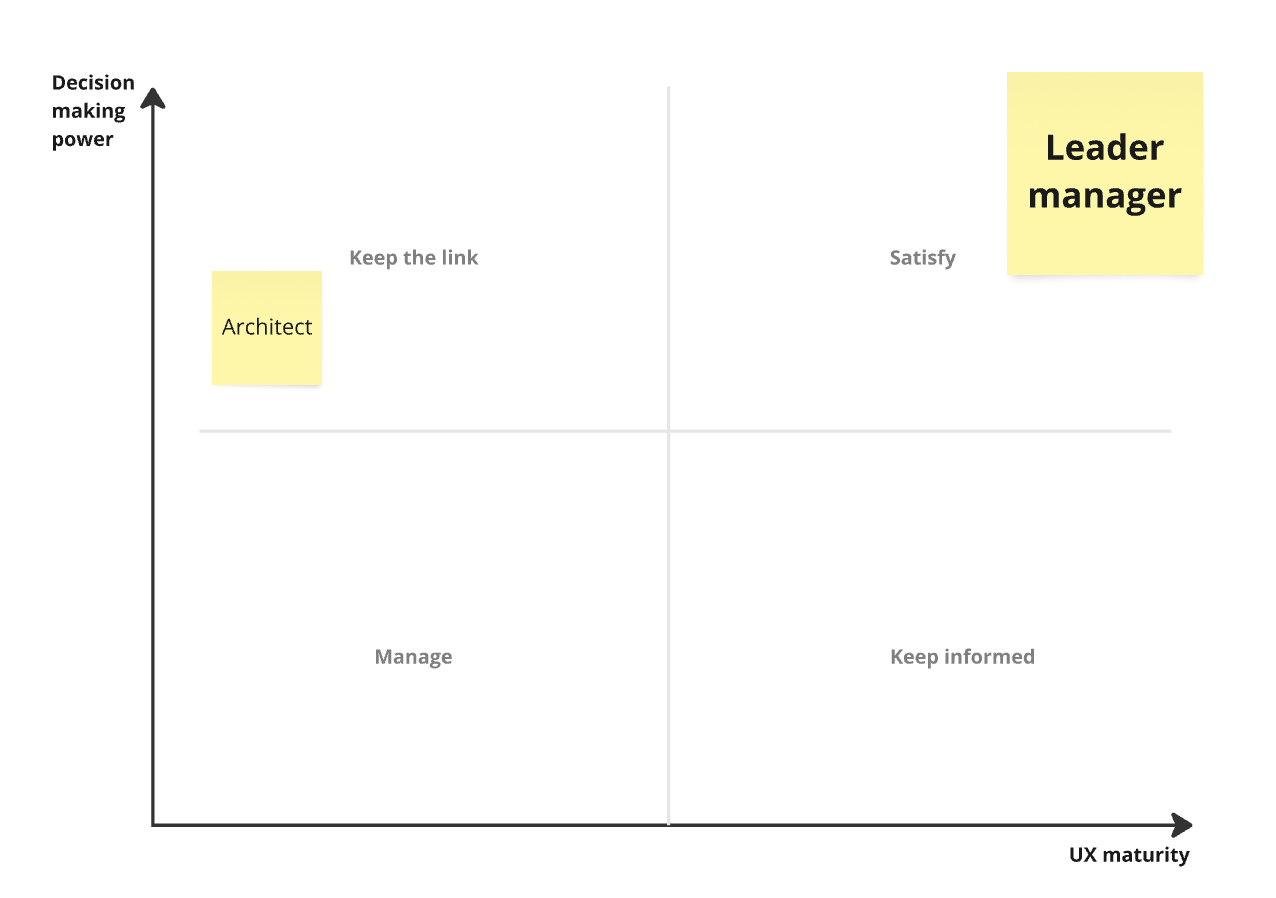
-
Then for each protagonist, write some statements this protagonist could make:
I feel… - I love… - I hate… - I need… - I want… - I fear… - I aspire… - I believe… - I claim…
- Finally find some example of archetypes similar to your protagonist. (Chief Baron Dominant Strategist CEO Business man Orchestrator…)
2. Find your main message
- Clarify (10 minutes)
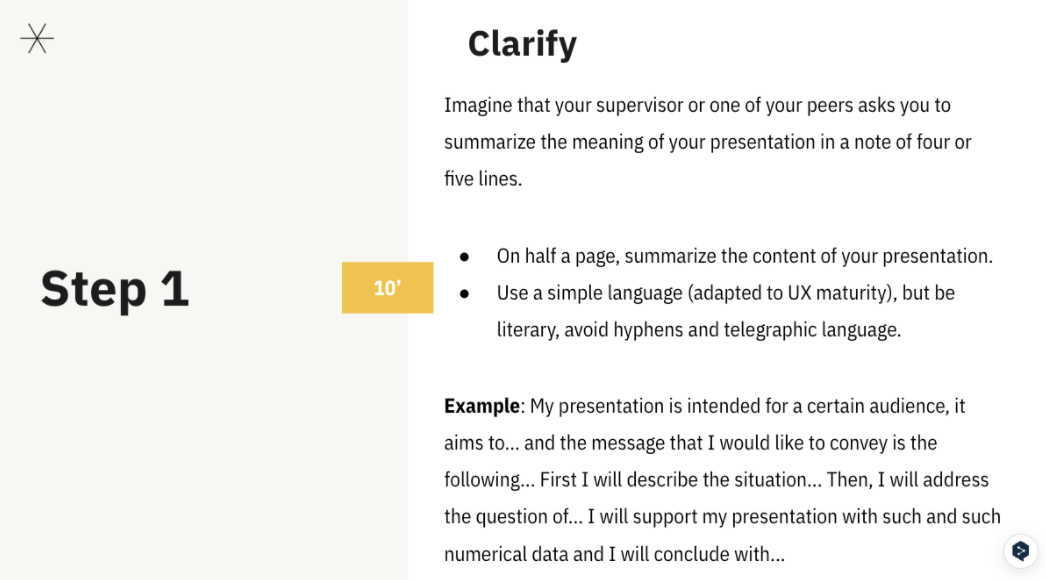
- Simplify (10 minutes)
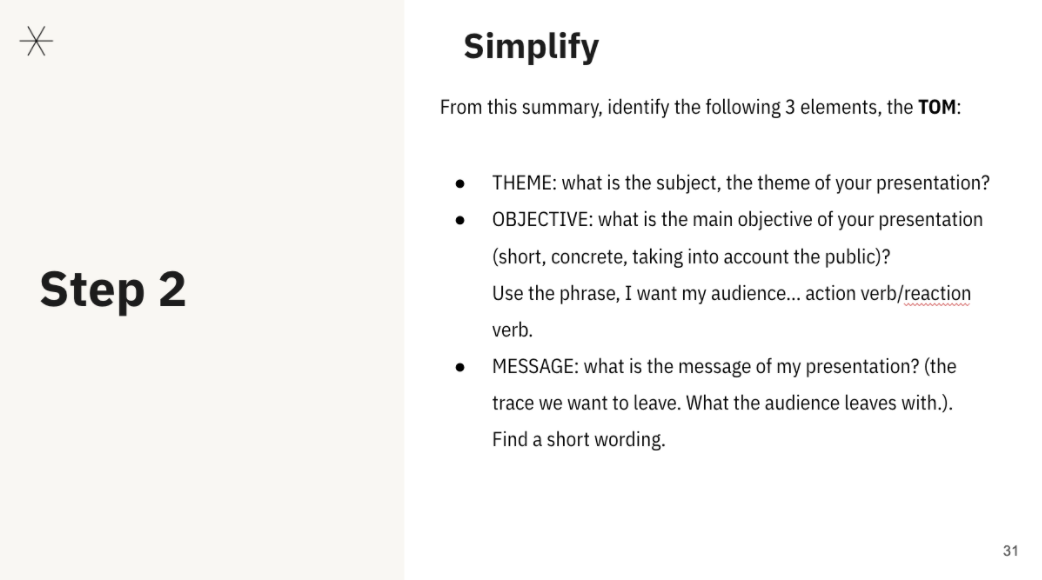 Example of Simplifying:
Launch of the IPHONE in 2007: THEME: Launch of the IPHONE OBJECTIVE: I want my audience…(reaction verb) to like and (action verb) run buy the IPHONE MESSAGE: (repeated several times in the presentation): Today, Apple reinvents the telephone
3. Choose your story
Use one of these big story types :
Voir la Structure d’une histoire pour trouver les types d’histoires et choisis ton histoire en fonction de ton objectif:
- Hero’s journey ()
- Histoires qui vendent.png
- When you have a clear and agreed primary pain point. (monster)
- When your biggest value add is long term recrued benefit.
- Cinderella / Rags to Riches → exemple
- When you product or service enables experiences
- When you product focuses on collaboration or self improvement
- When you need to stand out in crowded and narrow space (crowded market).
- When you need to make a big impact and shake audience out of apathy or cyncism
- When rebranding or redefining your product portfolio.
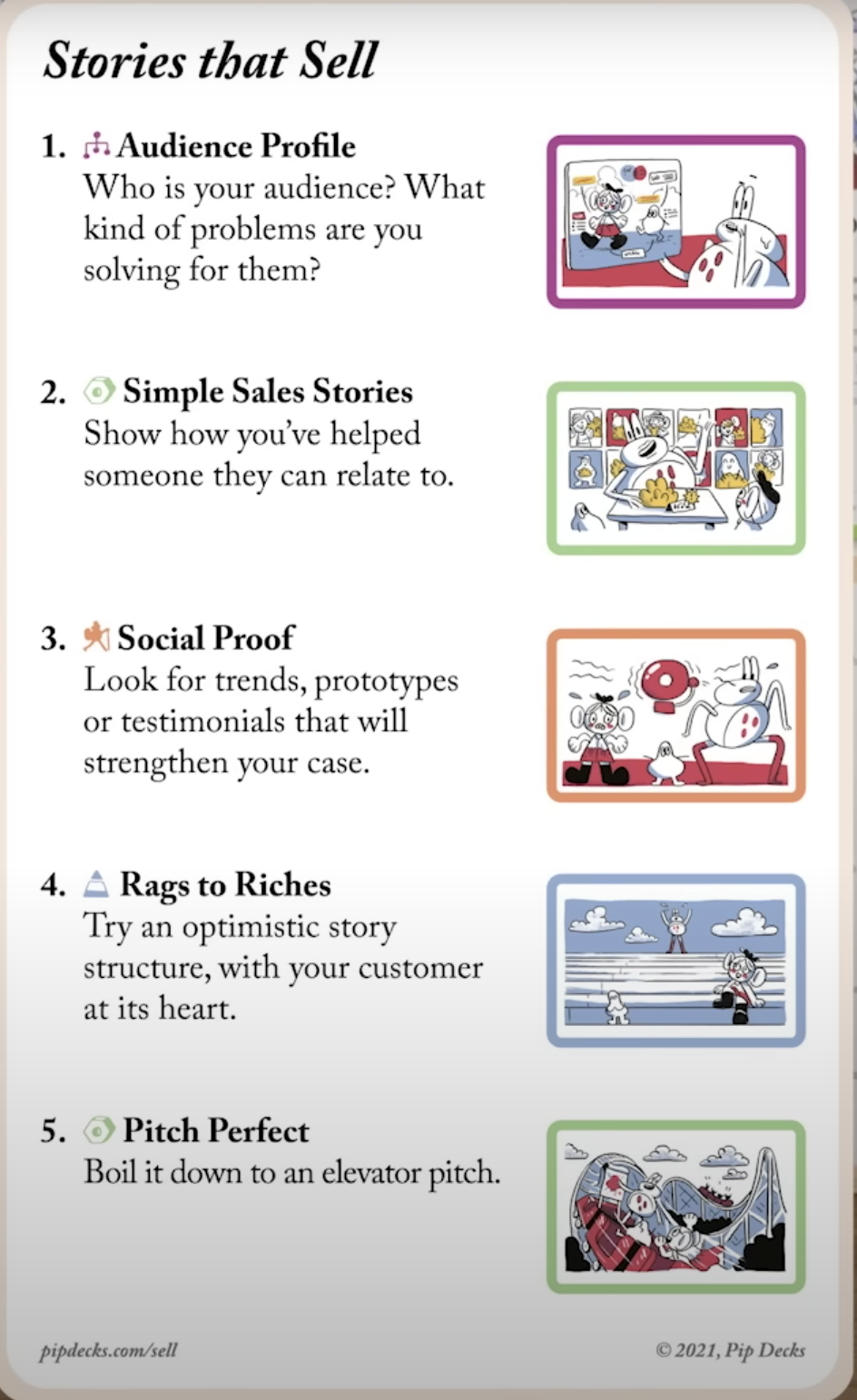
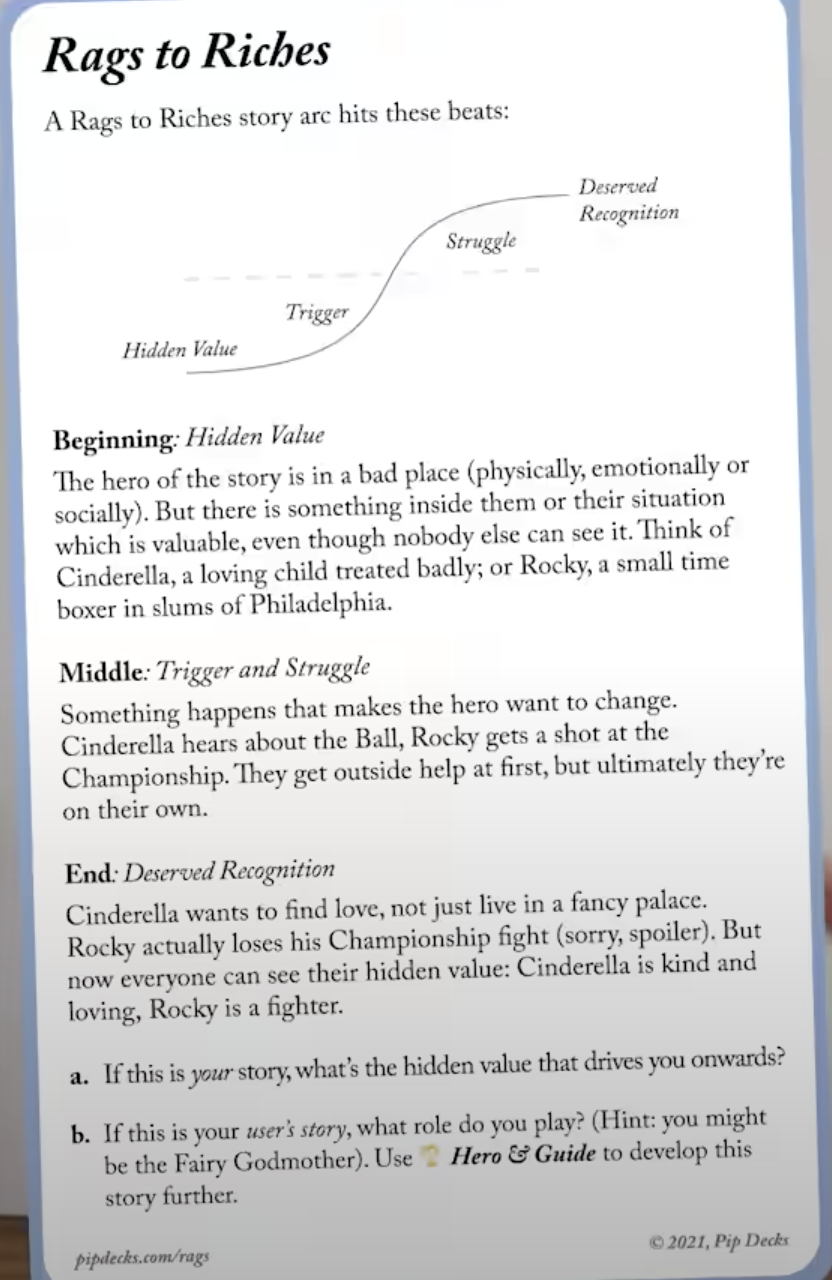
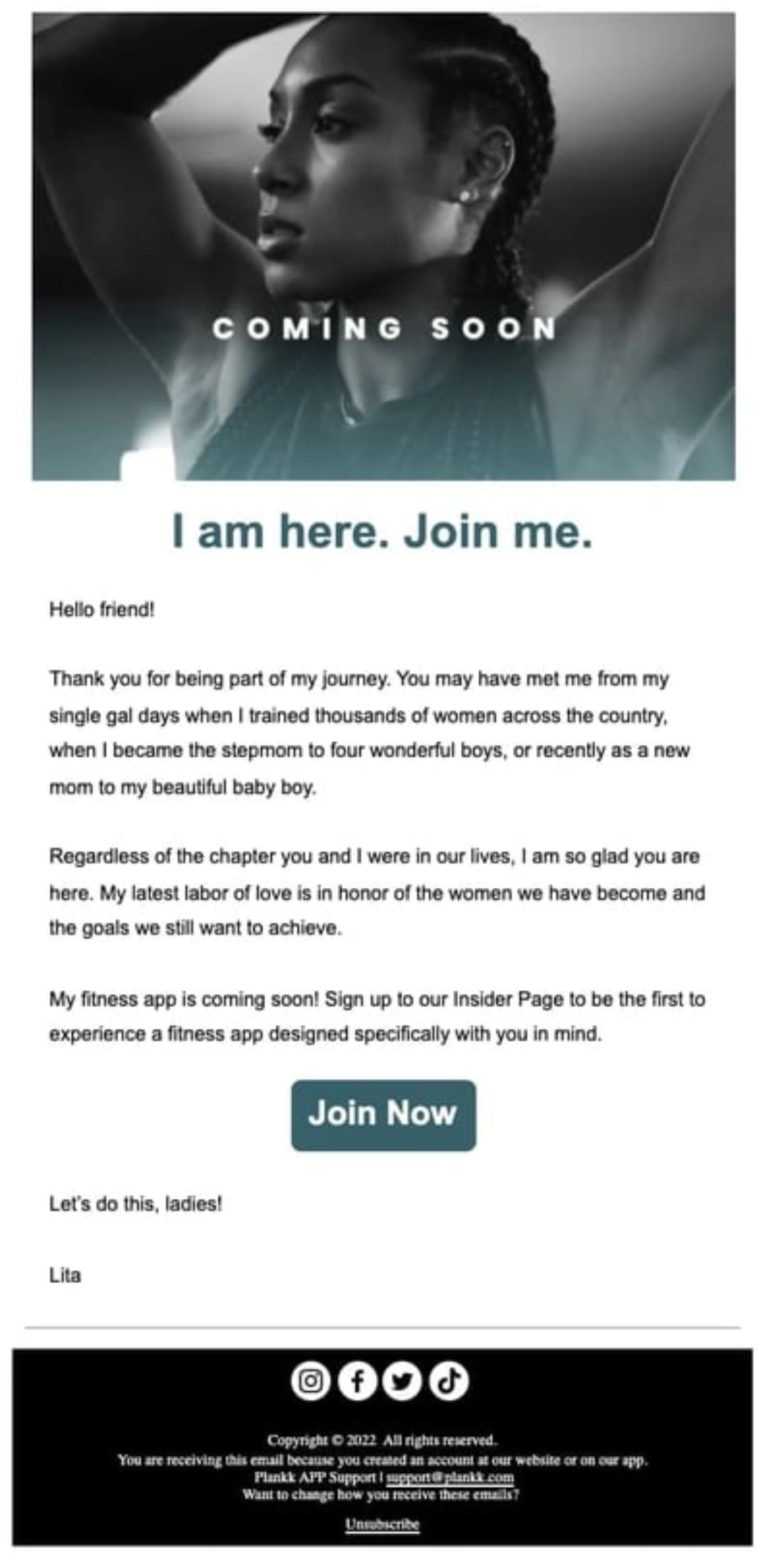
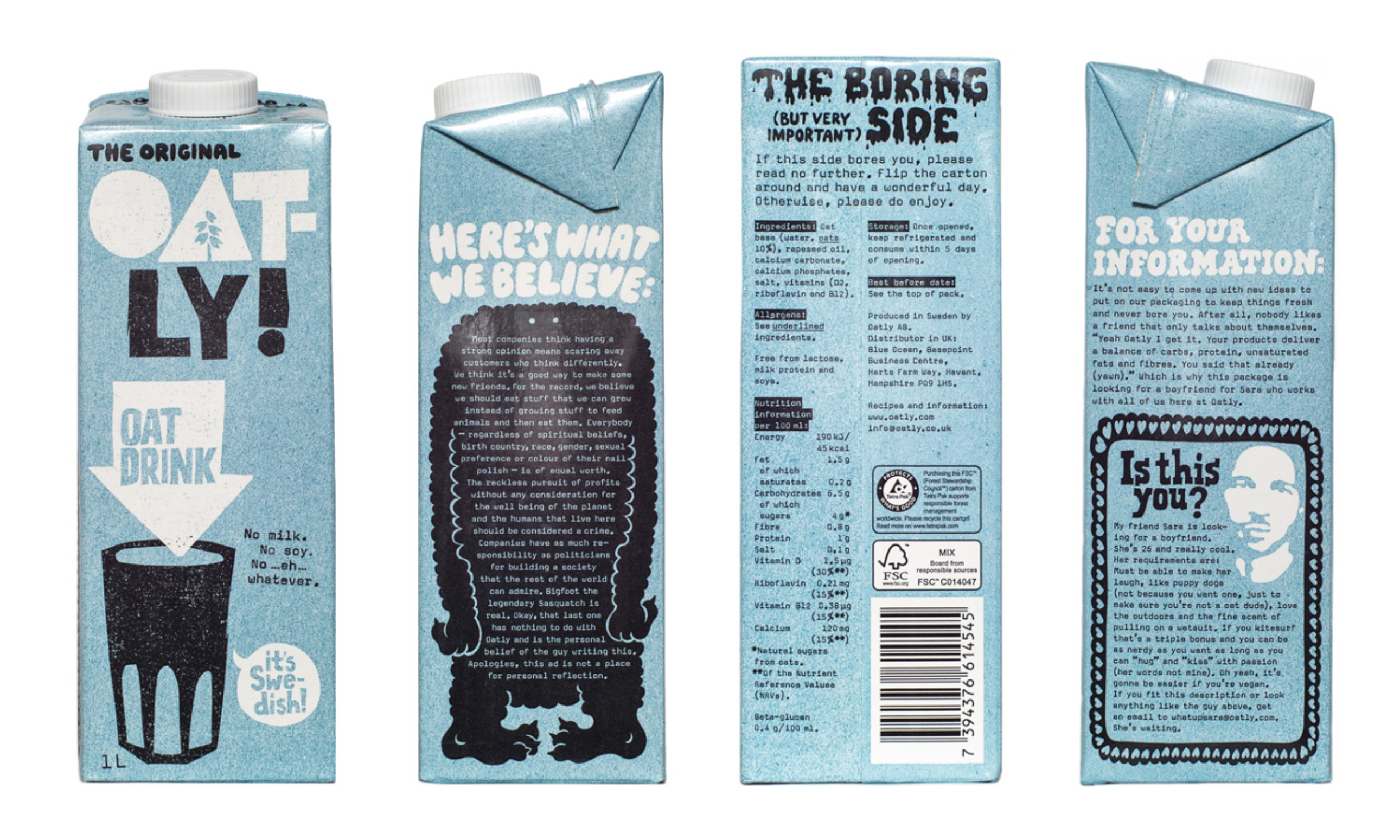
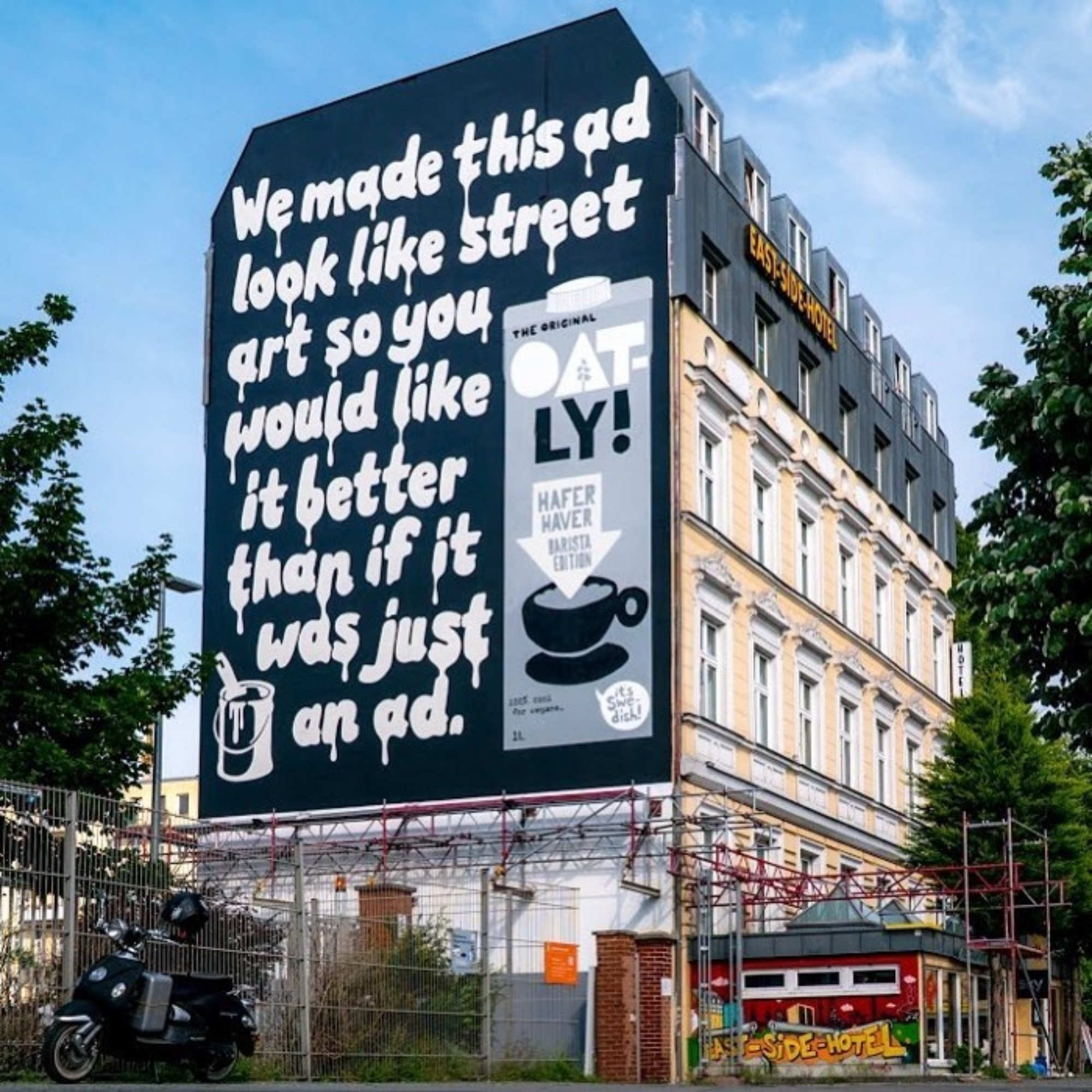
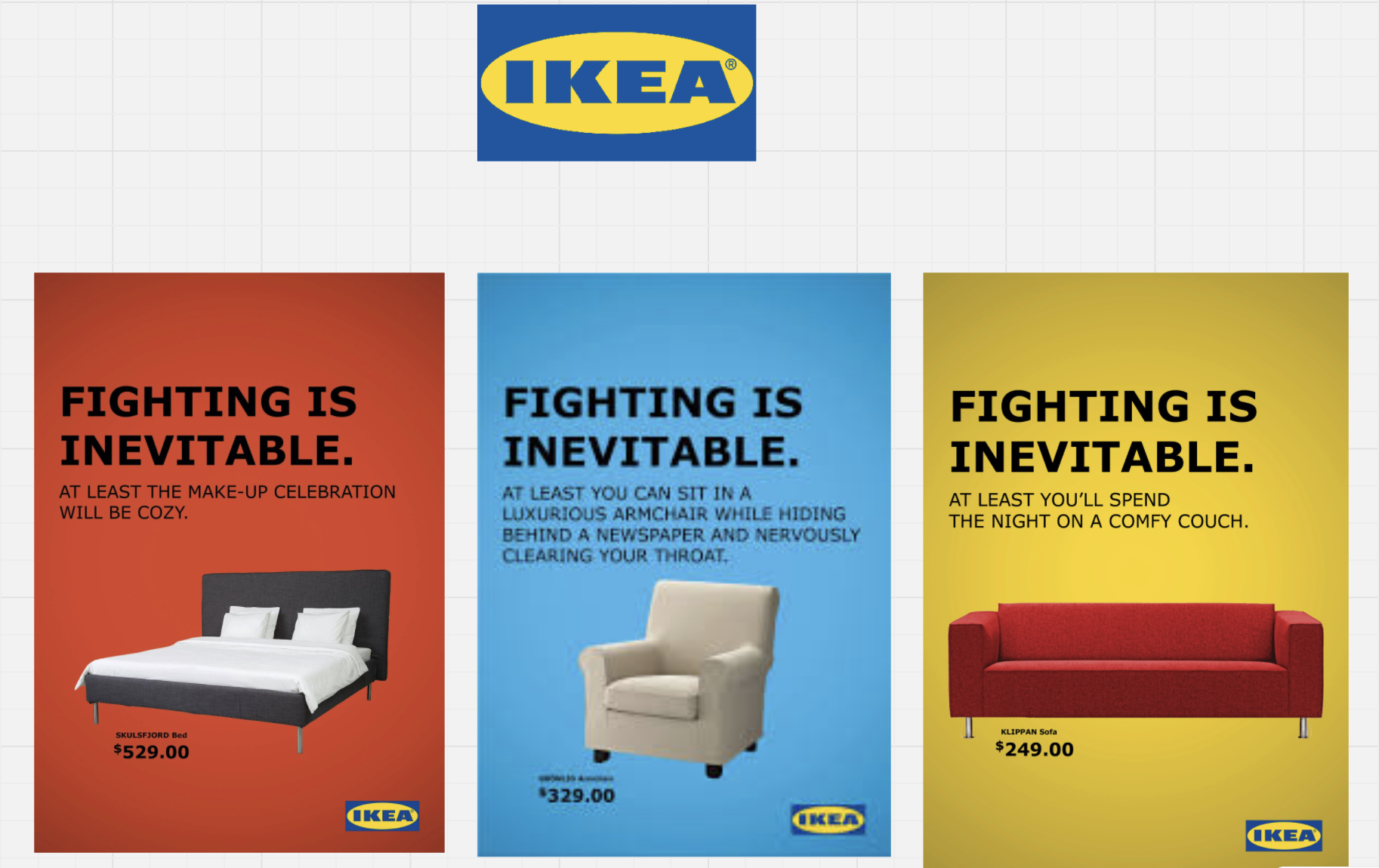

Liens: Publicité
4. Build your story